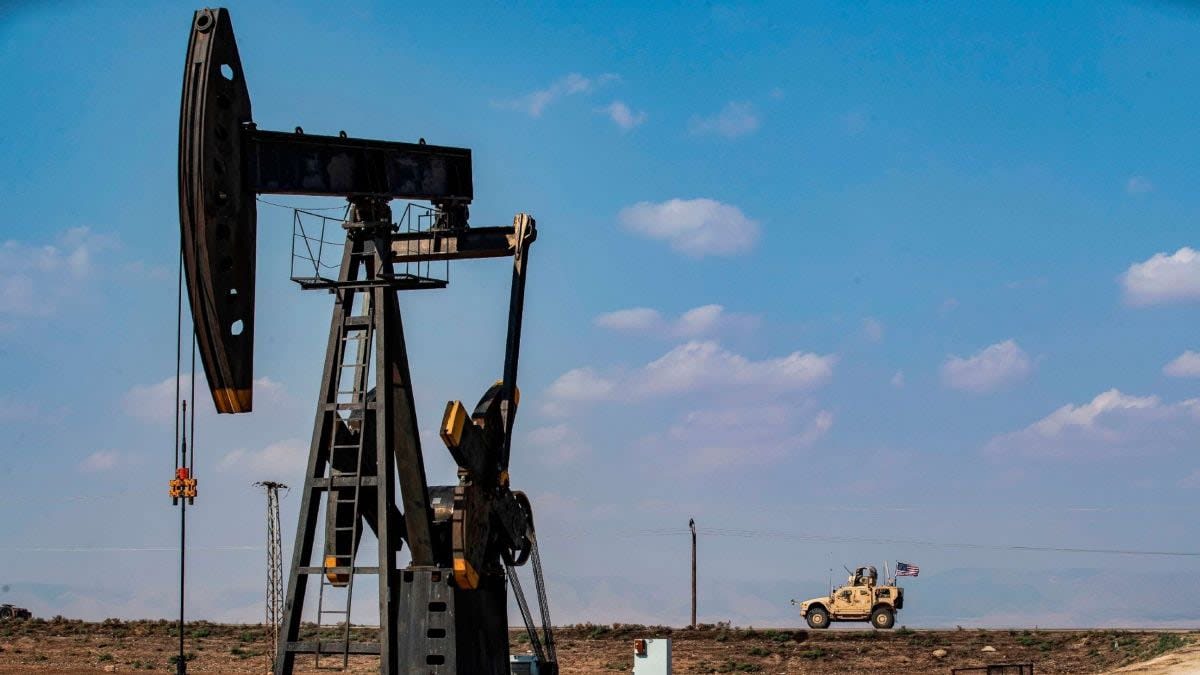
Syria exported 600,000 barrels of heavy crude oil from the port of Tartus on Monday, marking the country's first official oil shipment in 14 years. The milestone comes after the United States lifted sanctions in June following President Bashar al-Assad's ouster in December 2024, representing a crucial first step in Syria's economic recovery efforts.
According to Syrian energy officials, the cargo was sold to B Serve Energy, a company linked to global oil trading firm BB Energy. The oil was exported aboard the Greek-flagged tanker Nissos Christiana and sourced from multiple Syrian oil fields, though officials declined to specify which ones.
today.lorientlejour.com
A Strategic Return to Global Markets
The resumption of oil exports represents a dramatic turnaround for Syria, which exported 380,000 barrels per day in 2010 before the civil war devastated the country's energy infrastructure. Production plummeted to around 40,000 barrels per day by 2023, with most oil fields now located in the northeast under Kurdish-led authorities.
BB Energy, one of the world's leading independent oil trading companies, has been operating since 1968 and traded over 25 million metric tonnes of crude and petroleum products in 2023. The company's involvement signals international confidence in Syria's new government led by President Ahmed al-Sharaa, who replaced Assad's administration.
Infrastructure Investment and Regional Positioning
Alongside the oil export milestone, Syria has secured significant infrastructure investments to support its economic recovery. DP World signed an $800 million, 30-year concession agreement to develop and operate the Port of Tartus, replacing a previous contract with a Russian firm.
The Dubai-based logistics giant plans to transform Tartus into a regional trade hub connecting Southern Europe, the Middle East, and North Africa. Sultan Ahmed bin Sulayem, DP World's Chairman and Group CEO, described the agreement as reflecting "our long-term commitment to enabling global trade and creating resilient supply chains".
Economic Recovery Prospects
The lifting of Western sanctions has sparked optimism among Syrians, with the national currency surging from 13,000 to 8,500 against the dollar following the U.S. announcement. The European Union also removed economic restrictions in May, though targeted sanctions remain on individuals associated with the former Assad regime.
Current oil production estimates range between 40,000-80,000 barrels per day, far below pre-war levels but showing modest recovery. Syria operates two refineries at Homs and Banias, though neither runs at full capacity due to war damage and infrastructure constraints.
The successful oil shipment and port development agreement represent tangible progress in Syria's efforts to rebuild its economy after nearly 14 years of conflict. However, challenges remain, including tensions with Kurdish-led authorities who control most oil fields and the need for substantial investment to restore damaged infrastructure.
According to Syrian energy officials, the cargo was sold to B Serve Energy, a company linked to global oil trading firm BB Energy. The oil was exported aboard the Greek-flagged tanker Nissos Christiana and sourced from multiple Syrian oil fields, though officials declined to specify which ones.
today.lorientlejour.com
A Strategic Return to Global Markets
The resumption of oil exports represents a dramatic turnaround for Syria, which exported 380,000 barrels per day in 2010 before the civil war devastated the country's energy infrastructure. Production plummeted to around 40,000 barrels per day by 2023, with most oil fields now located in the northeast under Kurdish-led authorities.
BB Energy, one of the world's leading independent oil trading companies, has been operating since 1968 and traded over 25 million metric tonnes of crude and petroleum products in 2023. The company's involvement signals international confidence in Syria's new government led by President Ahmed al-Sharaa, who replaced Assad's administration.
Infrastructure Investment and Regional Positioning
Alongside the oil export milestone, Syria has secured significant infrastructure investments to support its economic recovery. DP World signed an $800 million, 30-year concession agreement to develop and operate the Port of Tartus, replacing a previous contract with a Russian firm.
The Dubai-based logistics giant plans to transform Tartus into a regional trade hub connecting Southern Europe, the Middle East, and North Africa. Sultan Ahmed bin Sulayem, DP World's Chairman and Group CEO, described the agreement as reflecting "our long-term commitment to enabling global trade and creating resilient supply chains".
Economic Recovery Prospects
The lifting of Western sanctions has sparked optimism among Syrians, with the national currency surging from 13,000 to 8,500 against the dollar following the U.S. announcement. The European Union also removed economic restrictions in May, though targeted sanctions remain on individuals associated with the former Assad regime.
Current oil production estimates range between 40,000-80,000 barrels per day, far below pre-war levels but showing modest recovery. Syria operates two refineries at Homs and Banias, though neither runs at full capacity due to war damage and infrastructure constraints.
The successful oil shipment and port development agreement represent tangible progress in Syria's efforts to rebuild its economy after nearly 14 years of conflict. However, challenges remain, including tensions with Kurdish-led authorities who control most oil fields and the need for substantial investment to restore damaged infrastructure.