
Chinese President Xi Jinping and Russian President Vladimir Putin deepened their strategic partnership this week with a series of groundbreaking agreements that cement China's role as Russia's primary energy customer while introducing new measures to facilitate travel between the two nations.
During talks at Beijing's Great Hall of the People on Tuesday, Putin described the relationship between their countries as reaching an "unprecedentedly high level" while Xi emphasized that their partnership has "withstood the test of international changes". The meeting occurred on the eve of a massive military parade commemorating the 80th anniversary of World War II's conclusion, with North Korean leader Kim Jong Un also attending the historic gathering.

https://www.hindustantimes.com/worl...asis-after-xi-putin-meet-101756797453962.html

https://rocketnews.com/2025/09/russias-putin-hails-unprecedented-ties-with-china-at-talks-in-beijing
Major Energy Breakthrough Secures Russia's Eastern Pivot
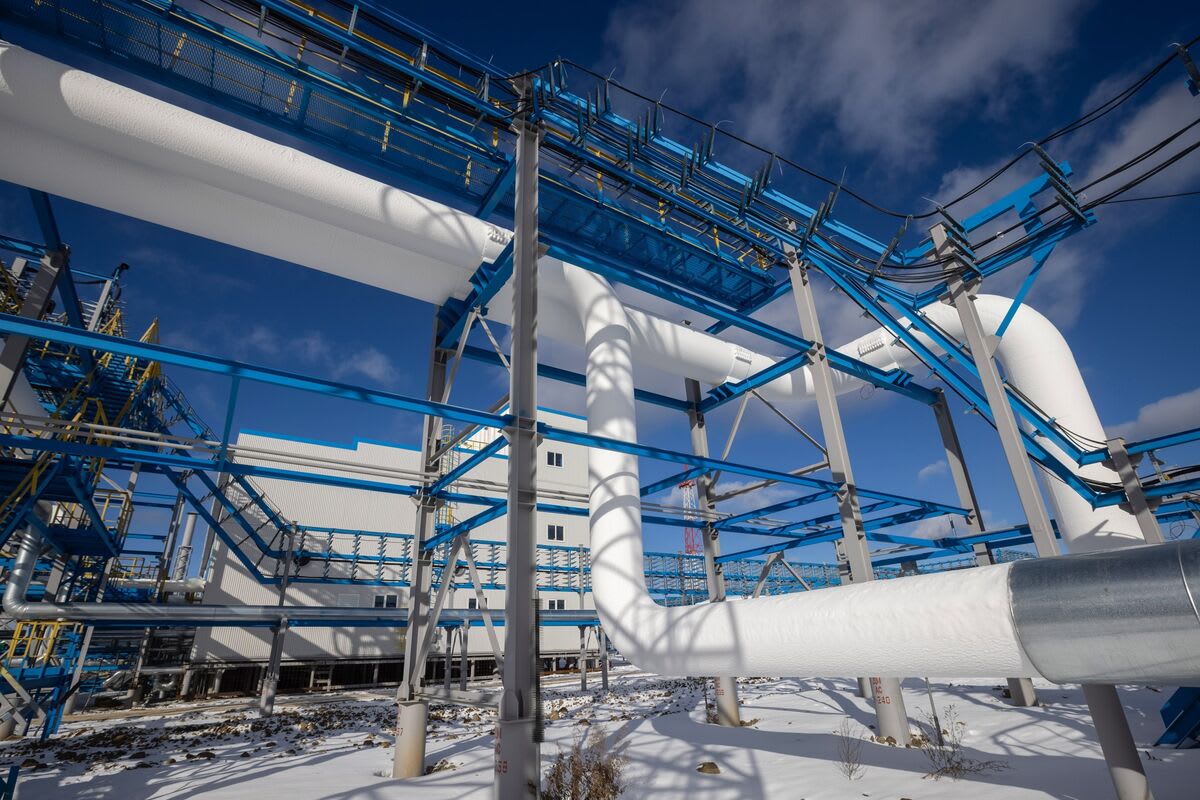
The centerpiece of the agreements was a legally binding memorandum for the long-awaited Power of Siberia 2 gas pipeline, a $13.6 billion project that will transport 50 billion cubic meters of Russian natural gas annually to China through Mongolia for 30 years. Gazprom CEO Alexei Miller called it "the largest, most ambitious and most capital-intensive project in the global gas industry".
The deal represents a significant victory for Moscow as it seeks to replace European markets lost due to Western sanctions over Ukraine. Before Russia's 2022 invasion, the country exported more than 150 billion cubic meters of gas annually to Europe. The new pipeline, along with expanded capacity on existing routes, could see Russia supplying as much as 106 billion cubic meters of gas to China yearly.
Russia and China also agreed to increase gas deliveries through the existing Power of Siberia pipeline from 38 billion to 44 billion cubic meters annually, while expanding the Far Eastern Route from 10 billion to 12 billion cubic meters. However, pricing for the Power of Siberia 2 project remains unresolved, with Miller indicating gas prices will be lower than those charged to European buyers.
Visa-Free Travel Initiative Strengthens People-to-People Ties
In a move to deepen bilateral relations beyond energy, China announced it will implement visa-free travel for ordinary Russian passport holders on a trial basis starting September 15, 2025. The program allows Russians to visit China for up to 30 days without a visa for business, tourism, and family visits, running until September 14, 2026.
According to the Association of Tour Operators of Russia, the visa exemption could boost Russian tourism and business trips to China by 30-40%. "The visa factor has remained a limitation," said Artur Muradyan, vice president of the association. "Traveling there becomes just as accessible as to Turkey or the Middle East".
Strategic Alliance Against Western Influence
The agreements were signed amid broader efforts by both nations to challenge Western dominance in global affairs. At the Shanghai Cooperation Organization summit in Tianjin, Xi criticized "bullying behaviour" from certain countries while Putin defended Russia's actions in Ukraine. The bilateral trade between China and Russia reached $244.8 billion in 2024, making China Russia's largest trading partner for 15 consecutive years.
The timing of these deals coincides with the gathering of what some analysts call an "axis of upheaval," as Kim Jong Un joined Xi and Putin in Beijing for the military parade. This marks the first time all three leaders have been in the same location, symbolizing a united front against U.S. influence in global affairs.
With over 20 cooperation documents signed spanning energy, space, artificial intelligence, agriculture, and media sectors, the Xi-Putin summit demonstrates how geopolitical tensions are reshaping global energy markets and diplomatic alignments. As Miller noted, payments between Russia and China are now conducted "in equal shares in rubles and in yuan", further reducing dependence on Western financial systems.
During talks at Beijing's Great Hall of the People on Tuesday, Putin described the relationship between their countries as reaching an "unprecedentedly high level" while Xi emphasized that their partnership has "withstood the test of international changes". The meeting occurred on the eve of a massive military parade commemorating the 80th anniversary of World War II's conclusion, with North Korean leader Kim Jong Un also attending the historic gathering.
https://www.hindustantimes.com/worl...asis-after-xi-putin-meet-101756797453962.html
https://rocketnews.com/2025/09/russias-putin-hails-unprecedented-ties-with-china-at-talks-in-beijing
Major Energy Breakthrough Secures Russia's Eastern Pivot
The centerpiece of the agreements was a legally binding memorandum for the long-awaited Power of Siberia 2 gas pipeline, a $13.6 billion project that will transport 50 billion cubic meters of Russian natural gas annually to China through Mongolia for 30 years. Gazprom CEO Alexei Miller called it "the largest, most ambitious and most capital-intensive project in the global gas industry".
The deal represents a significant victory for Moscow as it seeks to replace European markets lost due to Western sanctions over Ukraine. Before Russia's 2022 invasion, the country exported more than 150 billion cubic meters of gas annually to Europe. The new pipeline, along with expanded capacity on existing routes, could see Russia supplying as much as 106 billion cubic meters of gas to China yearly.
Russia and China also agreed to increase gas deliveries through the existing Power of Siberia pipeline from 38 billion to 44 billion cubic meters annually, while expanding the Far Eastern Route from 10 billion to 12 billion cubic meters. However, pricing for the Power of Siberia 2 project remains unresolved, with Miller indicating gas prices will be lower than those charged to European buyers.
Visa-Free Travel Initiative Strengthens People-to-People Ties
In a move to deepen bilateral relations beyond energy, China announced it will implement visa-free travel for ordinary Russian passport holders on a trial basis starting September 15, 2025. The program allows Russians to visit China for up to 30 days without a visa for business, tourism, and family visits, running until September 14, 2026.
According to the Association of Tour Operators of Russia, the visa exemption could boost Russian tourism and business trips to China by 30-40%. "The visa factor has remained a limitation," said Artur Muradyan, vice president of the association. "Traveling there becomes just as accessible as to Turkey or the Middle East".
Strategic Alliance Against Western Influence
The agreements were signed amid broader efforts by both nations to challenge Western dominance in global affairs. At the Shanghai Cooperation Organization summit in Tianjin, Xi criticized "bullying behaviour" from certain countries while Putin defended Russia's actions in Ukraine. The bilateral trade between China and Russia reached $244.8 billion in 2024, making China Russia's largest trading partner for 15 consecutive years.
The timing of these deals coincides with the gathering of what some analysts call an "axis of upheaval," as Kim Jong Un joined Xi and Putin in Beijing for the military parade. This marks the first time all three leaders have been in the same location, symbolizing a united front against U.S. influence in global affairs.
With over 20 cooperation documents signed spanning energy, space, artificial intelligence, agriculture, and media sectors, the Xi-Putin summit demonstrates how geopolitical tensions are reshaping global energy markets and diplomatic alignments. As Miller noted, payments between Russia and China are now conducted "in equal shares in rubles and in yuan", further reducing dependence on Western financial systems.